


Blog
Best Smart Light Switch for Home

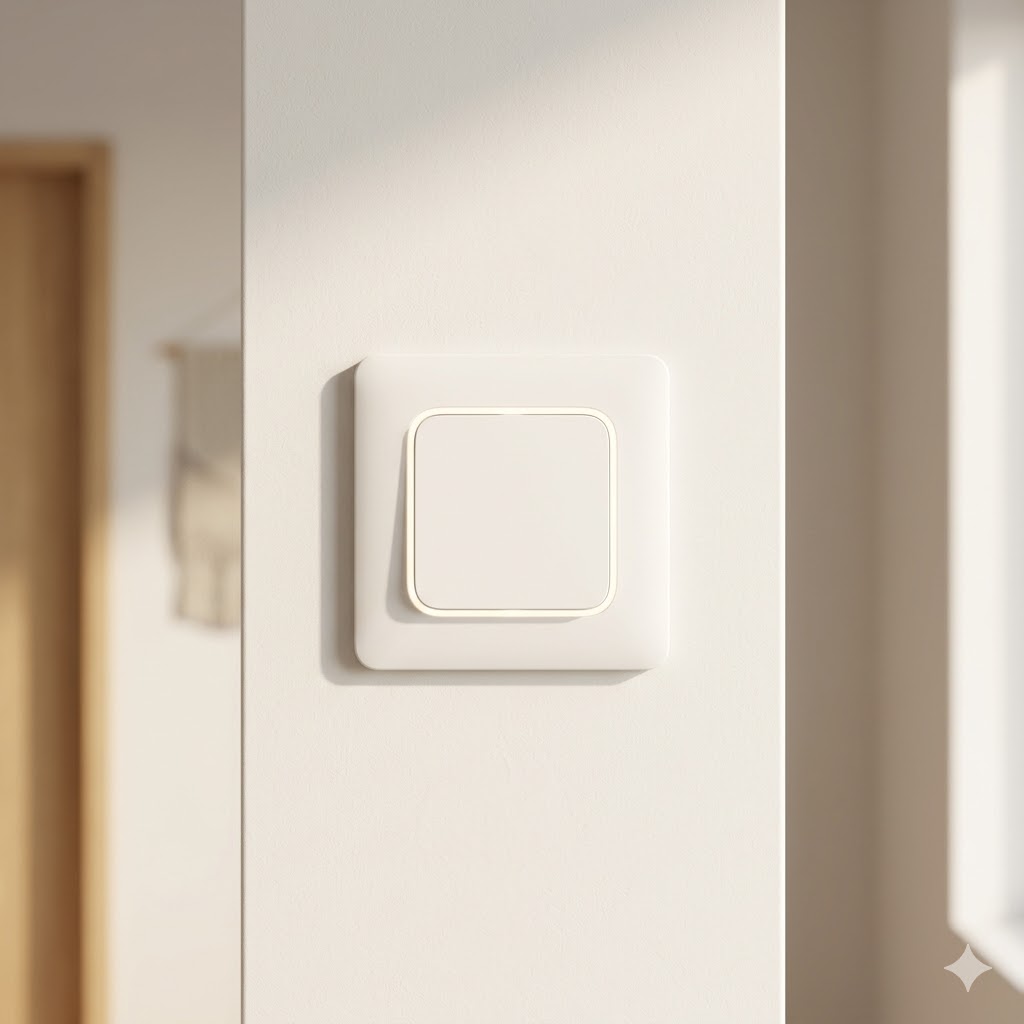
Finding the best smart light switch for home use means getting voice and app control over your existing fixtures without replacing every bulb in the house. A smart switch works at the wall, controlling whatever bulbs are already installed, making it a more practical upgrade for multi-bulb fixtures or hard-to-reach sockets. Whether you’re automating one room or your whole home, the right smart light switch delivers reliable control without bulb-by-bulb replacement costs.
1. Smart Light Switch with No Hub Required
Modern smart switches connect directly to your home Wi-Fi, skipping a separate hub device entirely. This simplifies setup and removes an extra point of failure compared to older systems that required a dedicated bridge. The Smart Light Switch with No Hub Required is a solid example of a hub-free switch that connects quickly and reliably.
Look for switches stating “no hub required” and confirming 2.4GHz Wi-Fi compatibility, since that’s the standard frequency band most smart home devices use.
2. Smart Dimmer Light Switch for Home
A smart dimmer switch adds adjustable brightness control on top of basic on/off use, which is ideal for living rooms, bedrooms, and dining areas where lighting mood matters. Not all dimmers work correctly with every LED bulb, so checking compatibility lists before buying is essential.
Some LED bulbs flicker or buzz when paired with the wrong dimmer, even when both products work fine individually. The Smart Dimmer Light Switch for Home includes a compatibility list that takes the guesswork out of pairing.
3. Smart Light Switch with Alexa and Google Home Integration
Voice control lets you turn lights on or off with a simple command, useful when your hands are full or you’re already settled in for the night. This works best as part of a broader smart home routine alongside other connected devices.
Look for switches with official “Works with Alexa” or “Works with Google Home” certification, since certified integrations are more reliable for everyday commands than third-party workarounds. The Smart Light Switch with Alexa and Google Home Integration carries both certifications and pairs smoothly with major voice platforms. If you’re also setting up Best Smart Speaker for Alexa, a certified smart switch makes the pairing even more seamless.
4. Smart Light Switch Requiring a Neutral Wire
Many smart switches require a neutral wire in your wall box, which is standard in homes built after the 1980s but sometimes missing in older construction. Checking your existing wiring before buying prevents an unpleasant surprise during installation.
The Smart Light Switch Requiring a Neutral Wire clearly states its wiring requirements in the product details. If you’re unsure about your home’s wiring, look specifically for a no-neutral-wire-required model designed for older properties.
5. Smart Light Switch with Scheduling
Scheduling lets you automate lights to turn on at sunset or off at a set bedtime without manual input every day. This is one of the most useful features for home security, since lights turning on automatically while you’re away make a home look occupied. According to home security research, visible lighting is a proven deterrent.
Look for switches with sunrise and sunset-based timing rather than fixed clock schedules only, since daylight hours shift throughout the year. The Smart Light Switch with Scheduling handles geo-based scheduling reliably across all seasons.
6. Budget Smart Light Switch for Home Under $20
Reliable smart light switch functionality does not require a premium price tag. Several switches under $20 deliver app control, scheduling, and basic voice assistant compatibility without dimming or advanced automation features.
The tradeoff at this price is usually a simpler app interface and no dimming capability. The Budget Smart Light Switch for Home Under $20 covers essential on/off control effectively for households just starting their smart home setup. For those also exploring outdoor automation, Best Smart Sprinkler Controller for Home pairs well with a scheduled lighting routine.
Smart Switch vs. Smart Bulb: Which Should You Choose?
A smart switch makes more sense for fixtures with multiple bulbs, hard-to-reach sockets, or rooms where you want one consistent control point regardless of installed bulbs. Replacing one switch covers the entire fixture at once.
Smart bulbs make more sense for single-bulb lamps where you want individual color or brightness control per bulb, and they require no wiring work. The is a well-regarded smart bulb option for those single-fixture situations. For most whole-room setups, a smart switch is the more practical and cost-effective upgrade.
What to Look For in a Smart Light Switch for Home
Before buying a smart light switch for home use, keep these key factors in mind:
- Hub requirement: No-hub models simplify setup and reduce points of failure
- Wiring compatibility: Confirm neutral wire requirements match your home’s wiring
- Dimming capability: Check bulb compatibility lists to avoid flickering or buzzing
- Voice integration: Look for certified “Works with Alexa” or “Works with Google Home” labels
- Scheduling flexibility: Sunrise and sunset-based timing beats fixed clock schedules
- Physical design: Confirm the switch fits your existing wall plate size
Final Thoughts
The best smart light switch for home use combines reliable app and voice control, the right wiring compatibility, and scheduling that adapts to real daylight hours. A good smart switch upgrades your existing fixtures without the cost or hassle of replacing every bulb.
Any of the picks in this guide gives your home smarter lighting control at the wall, where it’s most practical. Choosing the right smart light switch for home automation is one of the easiest ways to build a connected home one room at a time.
Browse our full Smart Home catalog for more top-rated products.
This post contains affiliate links. As an Amazon Associate, CreatorSagaHub earns from qualifying purchases. Shop our top picks on Amazon